Flying his Foxbat from YCEM to Canberra, Huy Nguyen combined a scheduled 100-hour service with the opportunity to build practical, hands-on maintenance skills.
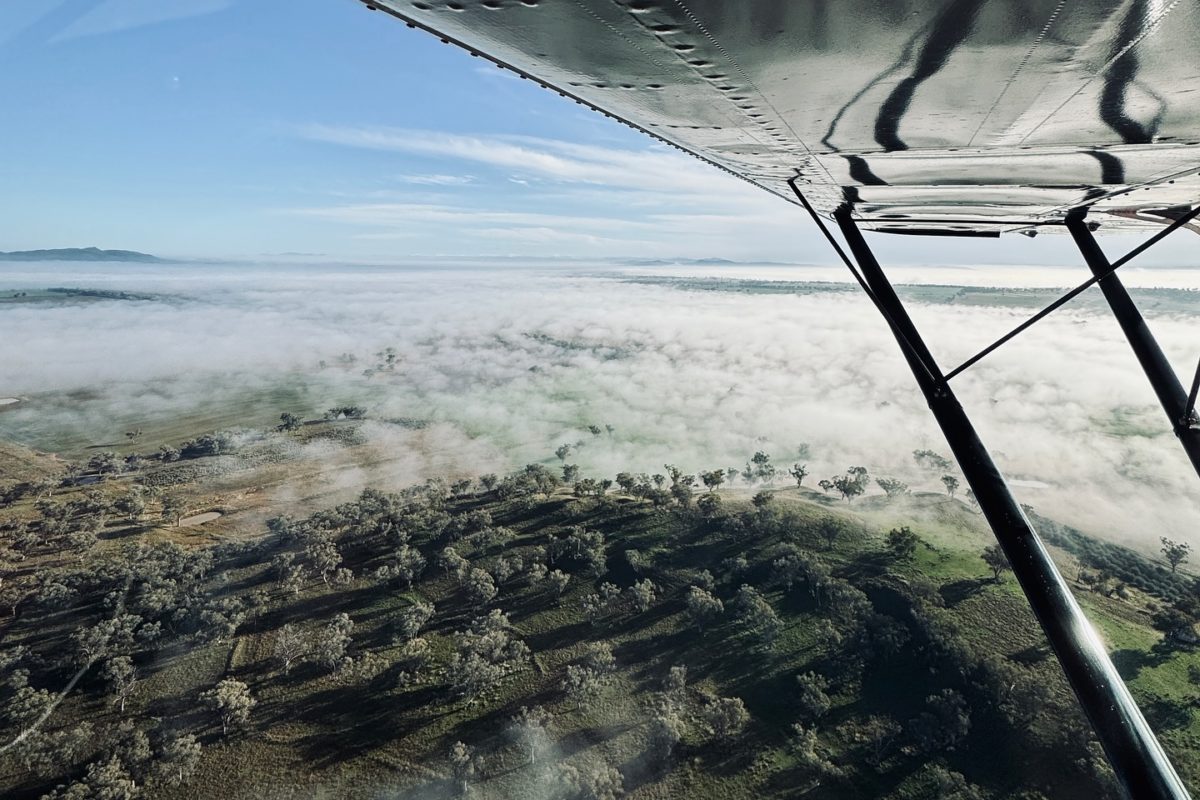
Huy Nguyen, Chairman of With Wings, recently set out on a purposeful journey from Coldstream Airport (YCEM) in Victoria, departing in an Aeroprakt A-22LS Foxbat bound for Canberra.
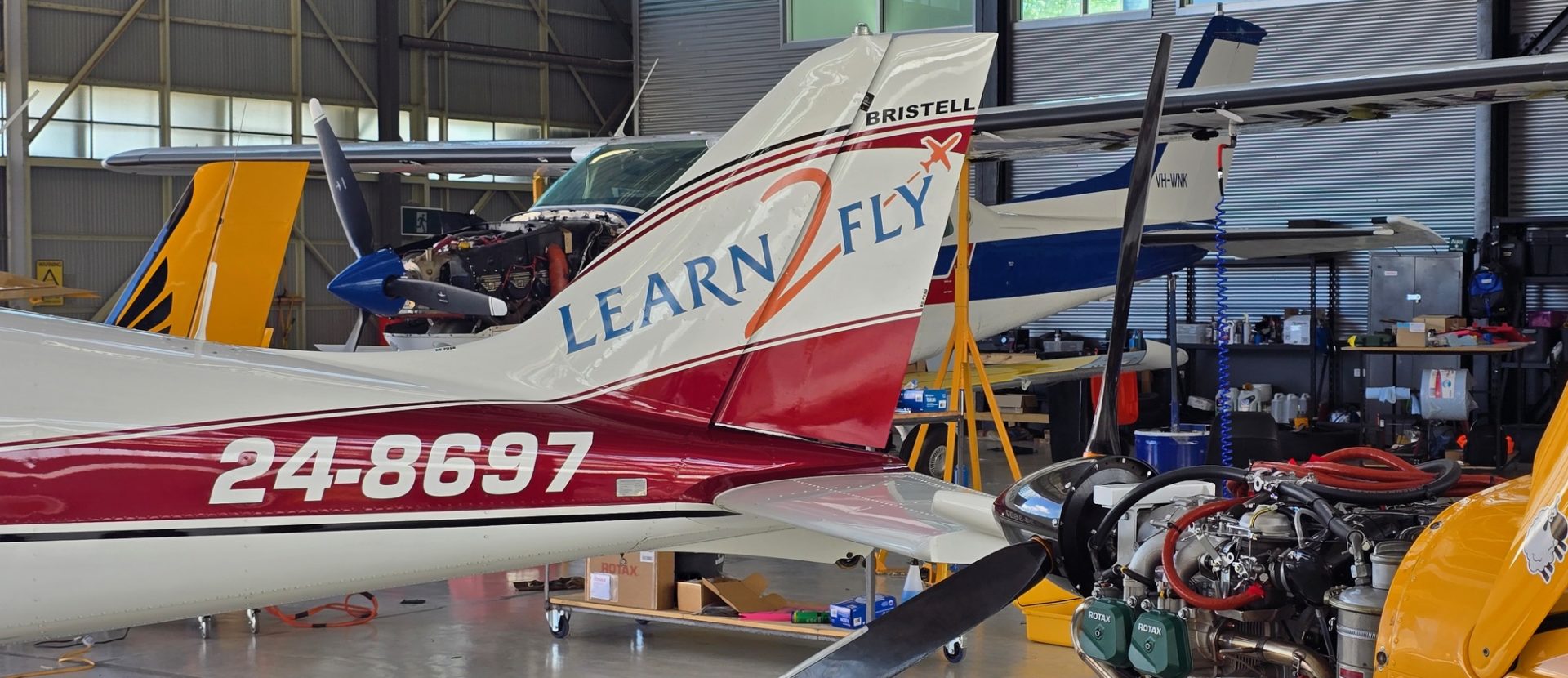
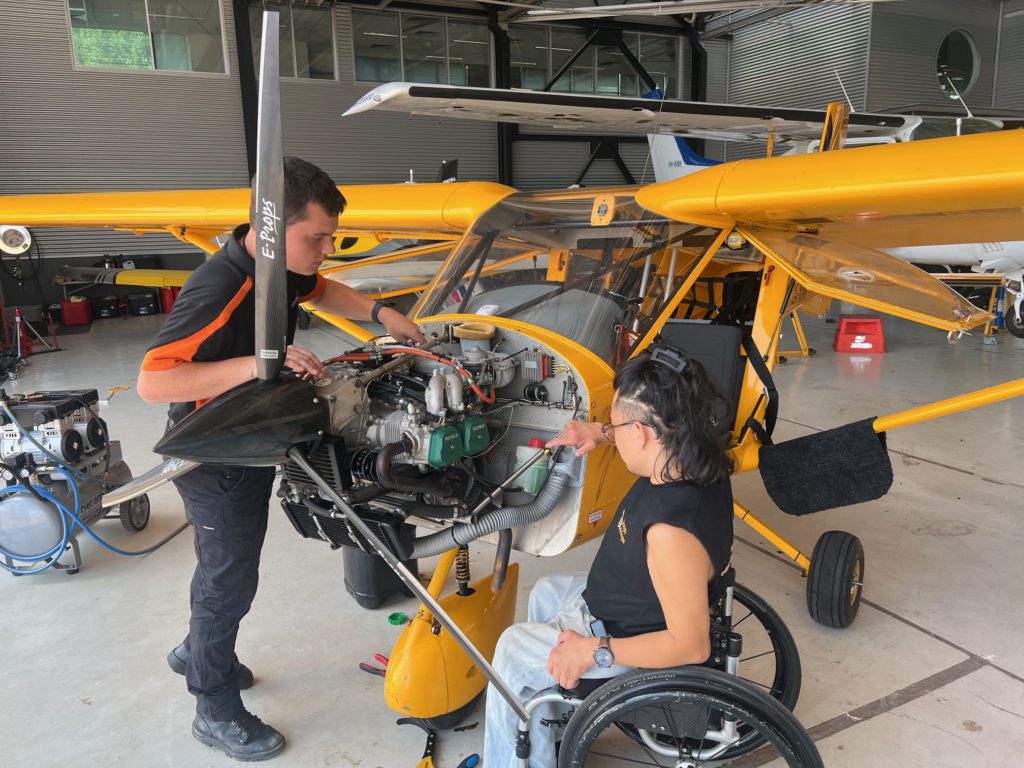
But this wasn’t just another cross-country flight. The main reason to spend time with the maintenance team at Learn 2 Fly, gaining hands-on exposure to what goes into one of the most important checkpoints in recreational aviation ownership. The 100-hour maintenance/service.
Why the 100-hour Service Matters
For aircraft owners and operators, the 100-hour service is a critical part of staying safe, legal, and reliable in the air. It’s more than a scheduled inspection, it’s a chance to catch wear early, confirm systems are operating correctly, and ensure the aircraft remains in top condition for the next stretch of flying.
In an aircraft like the Foxbat A-22LS, which is widely used for training and touring, those regular service intervals are key to maintaining the performance and simplicity the type is known for.
A Flight with a Purpose
Flying from Coldstream to Canberra, Huy’s trip highlighted a mindset shared by many responsible aircraft owners: understanding your aircraft isn’t optional, it’s part of the job.
Rather than treating maintenance as something that happens “behind the scenes,” Huy wanted to see the process up close, ask questions, and learn directly from the people who keep aircraft safe and airworthy every day.
At Learn 2 Fly, he joined the team to observe the service process and build practical familiarity with:
- inspection routines
- wear points and common findings
- documentation and compliance checks
- how small issues are detected before they become bigger ones
Learn 2 Fly: An RAAus Flight School in Canberra
For Huy, choosing Learn 2 Fly for the Foxbat’s 100-hour service wasn’t just about location, it was about working alongside a team recognised for professionalism and strong operational standards.
As an RAAus flight school, Learn 2 Fly has built its reputation on delivering high-quality flight training supported by a strong maintenance culture. In recreational aviation, training and aircraft care go hand-in-hand, and Learn 2 Fly’s operation reflects that connection every day.
In a busy training environment, aircraft are flown frequently, making consistent maintenance planning and inspection discipline essential. Learn 2 Fly’s ability to balance training activity with a safety-first approach is a key part of what makes it a trusted name in the RAAus community.
Inside the Foxbat’s 100-Hour Maintenance
The 100-hour service typically includes a structured inspection across the airframe, engine, controls, and systems. For pilots, it’s often surprising how much detail is involved, even on aircraft designed for simplicity and ease of operation.
Airframe and Structure Checks
The service begins with a careful look over the aircraft’s overall condition. Panels are removed, access points opened, and the aircraft is examined for:
- signs of fatigue, cracking, or corrosion
- loose fittings and hardware
- wear in high-movement areas
- security of mounts and attachments
Even minor changes in vibration, handling, or sound can often be traced back to something discovered during these inspections.
Flight Controls and Linkages
Control integrity is non-negotiable. During the inspection, the maintenance team checks for:
- correct travel and smooth movement
- proper tension and security of cables/rods
- wear in hinges, pulleys, and joints
- any signs of friction, binding, or looseness
A Foxbat may feel light and responsive in the air, but that feel depends on everything being rigged and operating correctly.
Engine and Propeller Inspection
The engine bay is where time and heat leave their mark. The 100-hour service includes checks such as:
- oil condition and potential leaks
- coolant hoses, clamps, and routing
- filters, spark plugs, and ignition condition
- engine mounts and vibration points
- propeller condition and security
Even small seepage or chafing can be an early warning sign, and the 100-hour inspection is where those clues are often caught.
Fuel, Electrical, and Safety Systems
Systems checks help ensure reliability and confidence in flight. These inspections may include:
- fuel lines, fittings, and contamination checks
- battery condition and charging health
- wiring security and signs of heat damage
- lighting, radio systems, and switches
- safety equipment condition and compliance
Learning by Getting Involved
For Huy, the most valuable part of the visit wasn’t just watching, it was being able to engage with the maintenance process and understand how the team works through a service systematically.
It also reinforced a powerful point: maintenance isn’t separate from flying; it’s part of flying.
When owners understand what technicians look for, they become better at noticing early symptoms during day-to-day operations, such as:
- new vibrations
- unusual smells
- changes in engine temperature trends
- handling differences
- small leaks or marks after shutdown
That awareness improves safety, reduces downtime, and strengthens the relationship between pilots and maintenance teams.
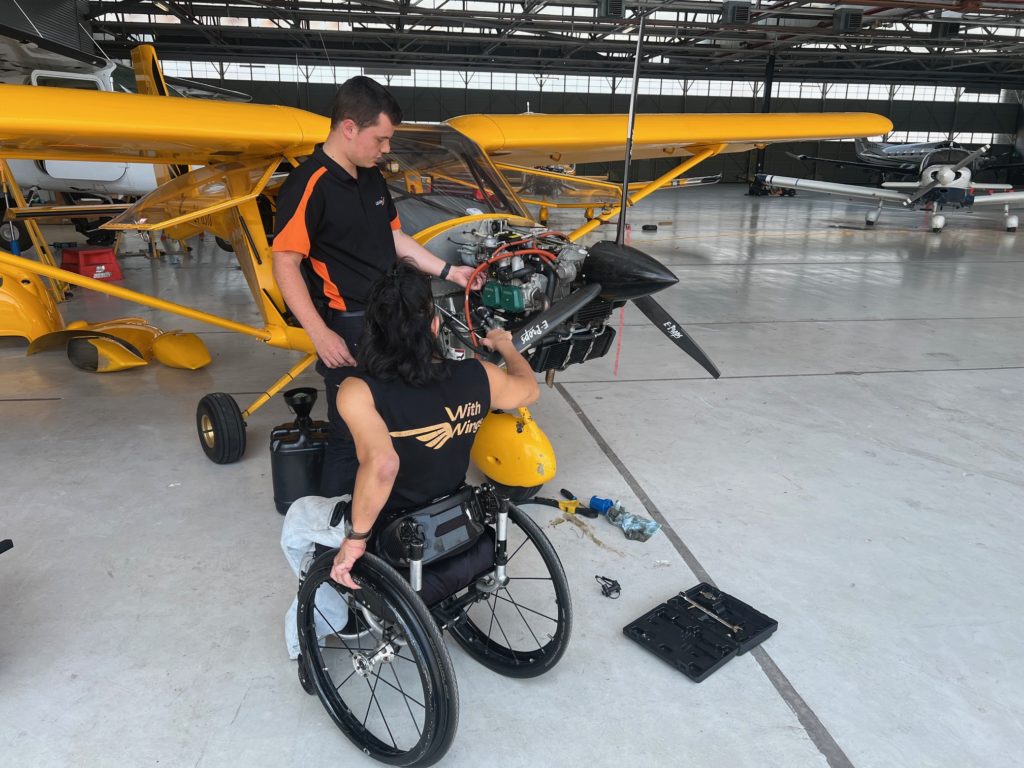
A Stronger Connection to the Aircraft
The Foxbat is often described as a practical, forgiving, and capable aircraft, one that suits both training and recreational touring.
But as Huy’s trip demonstrated, aircraft ownership also comes with responsibility: to stay informed, to stay engaged, and to respect the systems that keep us flying.
By travelling to Canberra for a 100-hour service experience, Huy Nguyen set an example of proactive aviation leadership, combining real-world flying with real-world learning.
Final Thoughts
From Coldstream (YCEM) to Canberra, this was a journey built on curiosity and professionalism.
A 100-hour service might be routine on the calendar, but in practice, it’s one of the most important safety nets in recreational aviation. And thanks to the team at Learn 2 Fly, Huy Nguyen was able to see first-hand what that service really involves.
Because in aviation, the best pilots never stop learning. On the ground or in the air.