Words by Phillip Ware
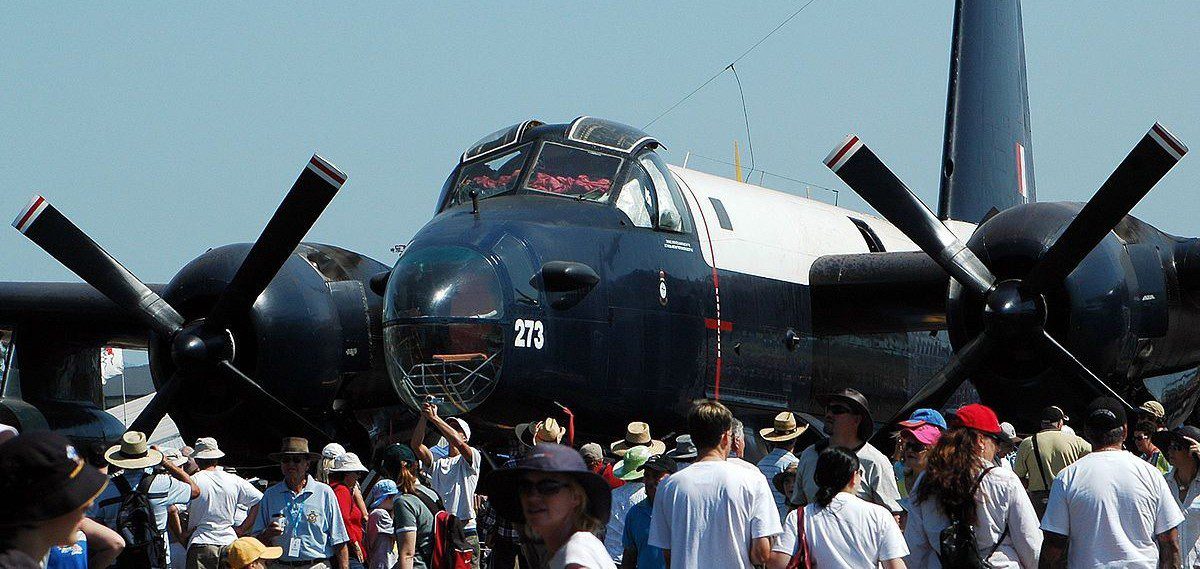
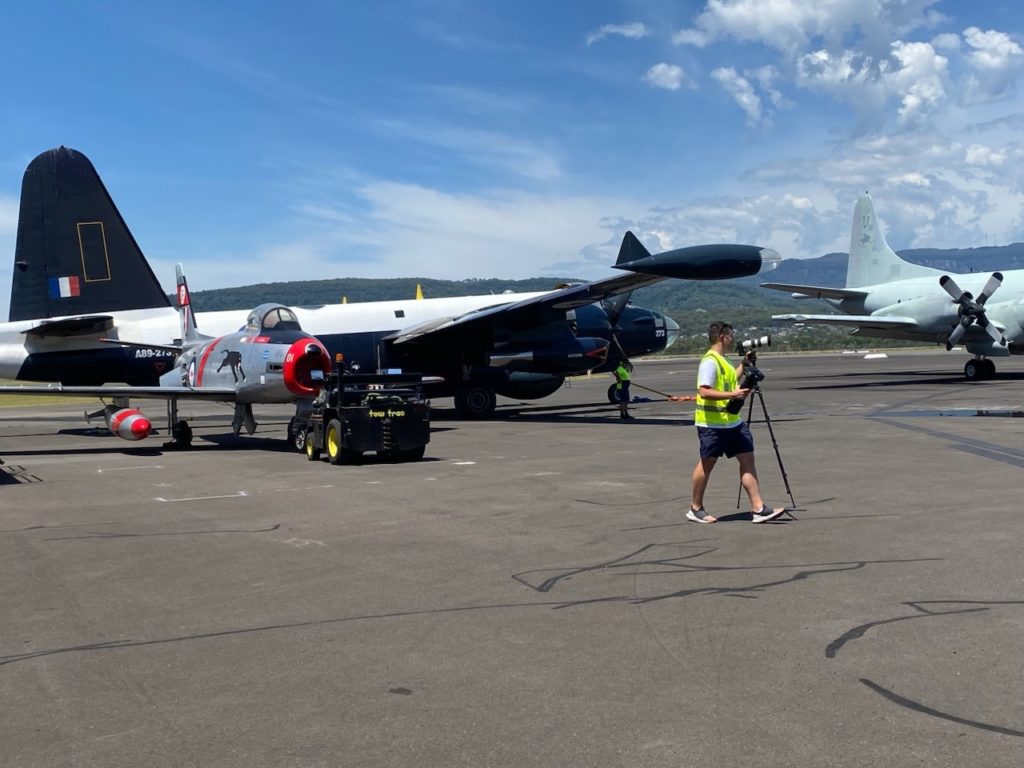
The Historical Aircraft Restoration Society (HARS), under the guidance of Bob Delahunty, maintains an extraordinary collection of vintage aircraft in full airworthy and flying condition — including the magnificent SP2H Neptune.
With Bob as Pilot in Command, alongside his son Matt Delahunty and Mark, I was given the incredible opportunity to take my first Neptune flight in 59 years. The experience lasted just under an hour, but it was unforgettable. Hearing those powerful Wright Cyclone R3350 18-cylinder radial engines roar to life once more — with the Westinghouse J34 jet engines engaged at take-off power — was pure music to my ears. Memories came flooding back, and at 87 years of age, I reflected on how fortunate I have been to experience moments that many could only dream of, particularly during the tense years of the Cold War.
I had the privilege of serving in the RAAF from 1955 to 1968, including as an aircrew member with No. 11 Squadron based at Richmond, NSW, flying the P2V-5 Neptune. My fascination with the aircraft began earlier, in 1954, when three Neptunes flew in formation over my boarding school. I was awestruck. In that moment, I resolved that one day I would be part of that world — and that’s exactly where my aviation journey began.
During my Air Force service, I accumulated approximately 2,500 hours on the Neptune in the roles of HF Morse Code Radio Operator, Electronic Counter Measures Operator and Radar Operator. Our missions included coastline surveillance, anti-submarine
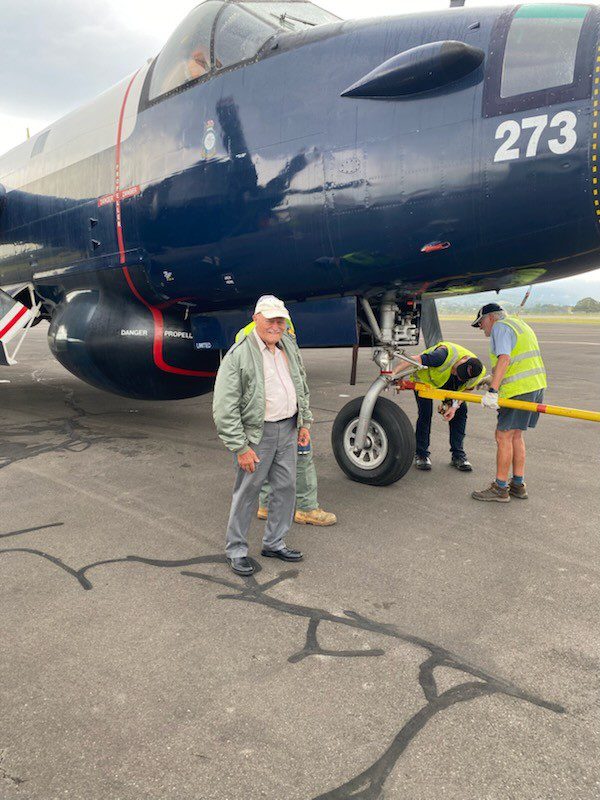
warfare operations, and deployments overseas alongside the RAF in Singapore and the United States Navy in Hawaii and Manila.
The Neptune was a remarkable aircraft. Because of its weight, it could not maintain flight on a single piston engine alone. To address this, Lockheed fitted jet engines to provide additional thrust when required. If an engine had to be shut down, the jets would be engaged to climb to 10,000 feet. The aircraft would then descend at minimum rate with the jets at idle until reaching 500 feet, where the jets were restarted and the climb repeated. This procedure — aptly nicknamed the “Yo-Yo” — had us going up and down repeatedly like its namesake toy.
The onboard radar was equally impressive, delivering a peak power output of two megawatts, pulsing 400 times per second. It could detect virtually anything at sea — periscopes, small vessels, yachtsmen in distress, breaching whales, and every ship within range. Despite its size and capability, the Neptune was a comfortable aircraft to fly, particularly in turbulence, where its wing design absorbed much of the disturbance.
My final Neptune flight was in December 1966. I was then posted to Victoria, where I instructed Aircrew Officer Cadets.
Upon leaving the RAAF as a Flight Lieutenant, I joined the Department of Civil Aviation and trained as an Air Traffic Controller.
Over the years, I worked sectors in Brisbane, served as an En Route Check Controller, Training Annexe Supervisor, tower controller at Brisbane, Coolangatta and Mackay, and later as a College Instructor and simulator instructor.
In 1982, I learned to fly General Aviation Cessnas, gaining multi-engine, Command Instrument Rating, Night VFR, constant-speed propeller and retractable undercarriage endorsements, as well as tailwheel qualifications.
When RAAus aircraft emerged, I embraced those as well, flying the Texan, SportStar and Tecnam P2000 from October 2006.
Today, at 87 years of age, I still hold a current Class 2 medical and a fresh single-engine Flight Review. I fly weekly from Redcliffe to Caloundra, where I spend time at the Queensland Air Museum in their Boeing 737 simulator — continuing a lifelong passion for aviation.
For those who would like to see this iconic aircraft up close, the Neptune will be on display at Fly’n For Fun 2026. It’s a rare opportunity to experience a true Cold War legend in person — make sure you come along and see it for yourself.