Where Can Recreational Aviation Take You?
Learning to fly with RAAus can be the beginning of much more than earning your Recreational Pilot Certificate. Whether you want to help the next generation of pilots take to the skies, develop your skills as an instructor, or support recreational aviation through aircraft maintenance, there are pathways to take your involvement further.
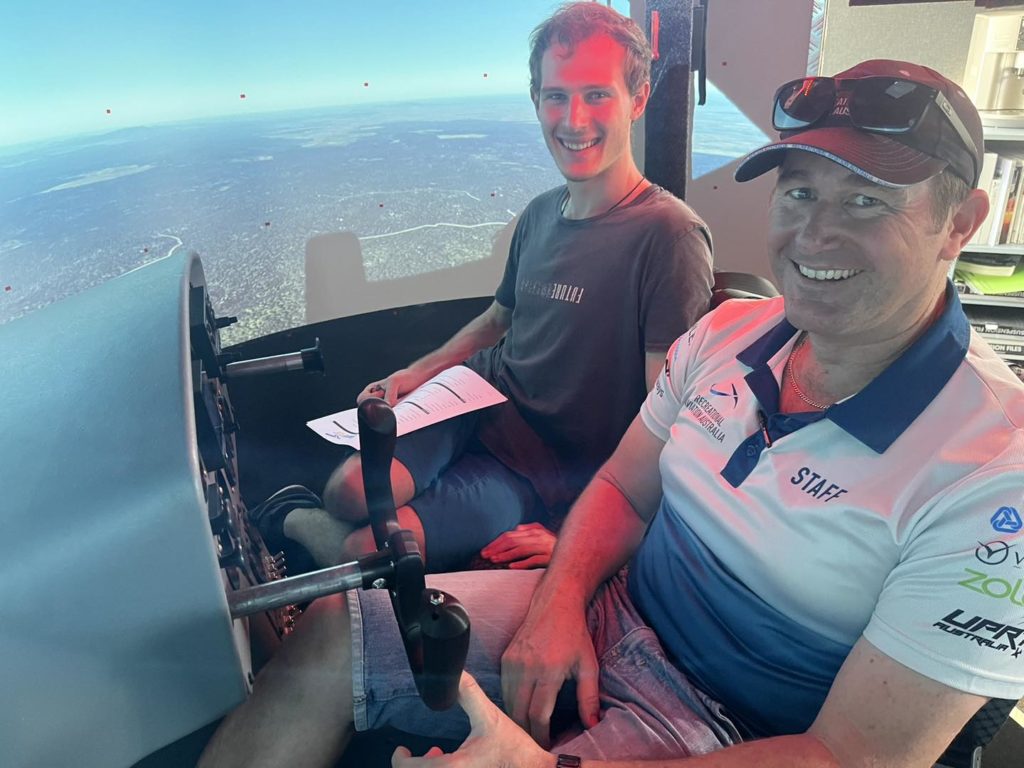
FLIGHT INSTRUCTION
Turn your flying experience into an opportunity to teach, mentor and inspire the next generation of recreational pilots. Becoming a flight instructor allows you to share the knowledge and skills you’ve developed while helping others progress from their first experience in the cockpit through to becoming safe and confident pilots. It’s a rewarding way to take your own aviation journey further while playing an important role in supporting flight training and the continued growth of the recreational aviation community.
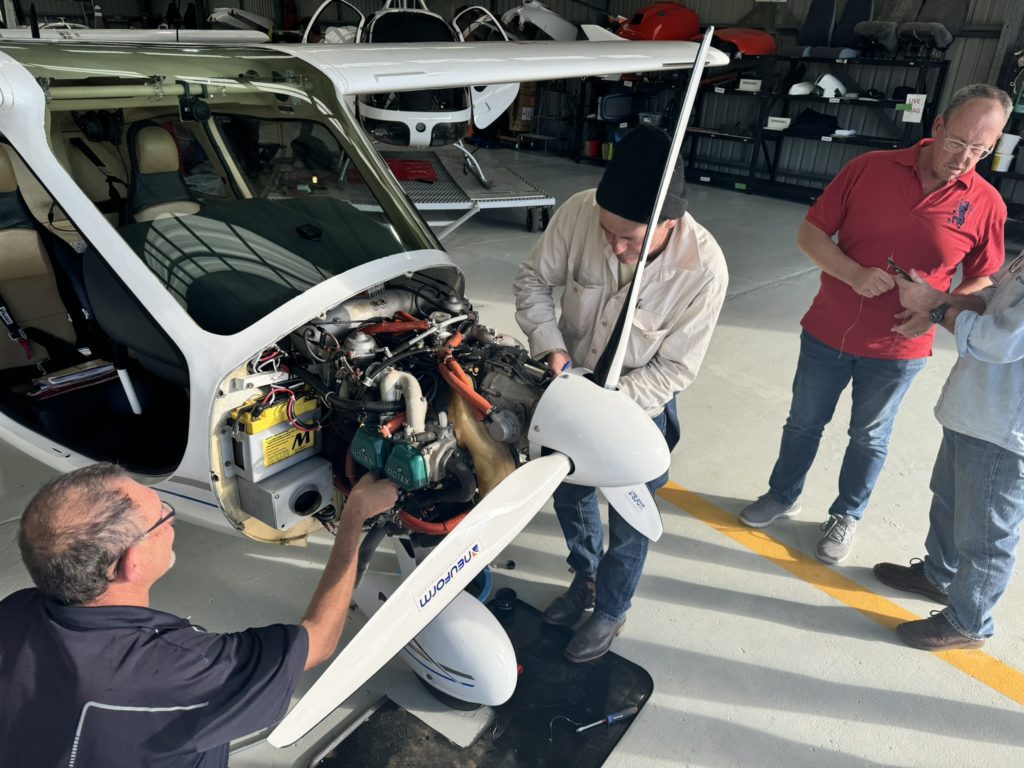
AIRCRAFT MAINTENANCE
Develop the knowledge, practical skills and maintenance privileges to help keep recreational aircraft safe, serviceable and ready to fly. The RAAus maintenance pathway provides opportunities to build your technical understanding of aircraft and take on greater maintenance responsibilities as your skills and experience develop. Whether maintaining your own aircraft or progressing to support other owners, pilots and flying schools, maintainers play an essential role in keeping Australia’s recreational aviation community in the air.
Flight Instructor Pathway
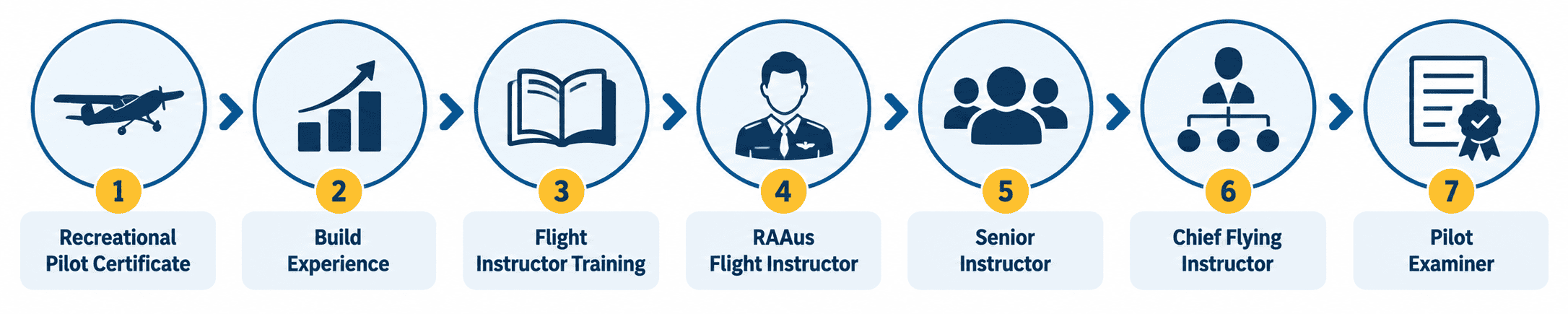
Your Flight Instruction Journey
From Pilot to Instructor
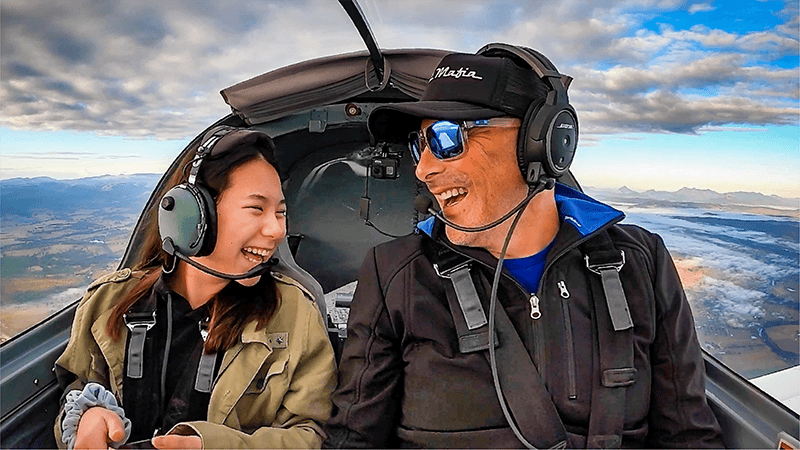
Becoming an RAAus Flight Instructor gives experienced recreational pilots the opportunity to turn their knowledge and flying experience into something more.
Flight instructors play an important role in recreational aviation. They’re often the first point of contact for someone discovering aviation and are responsible for developing safe, capable pilots while supporting the growth of their local flying community.
The pathway doesn’t necessarily end with becoming a Flight Instructor either. With further experience and training, instructors can progress into senior instructional, leadership and examining roles.
01 — Recreational Pilot Certificate
Your journey begins with earning your Recreational Pilot Certificate and developing the fundamental skills, knowledge and experience required to operate safely as a recreational pilot.
02 — Build Your Experience
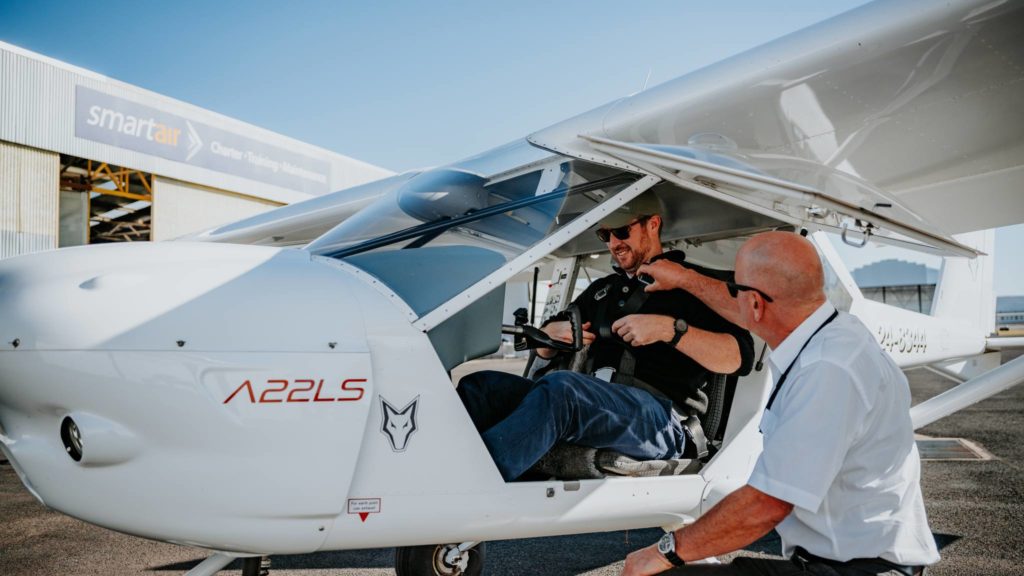
Continue flying, developing your skills and building the experience required to progress towards instructor training.
This stage is about becoming a confident, capable and experienced pilot before taking the next step towards teaching others.
03 — Become a Flight Instructor
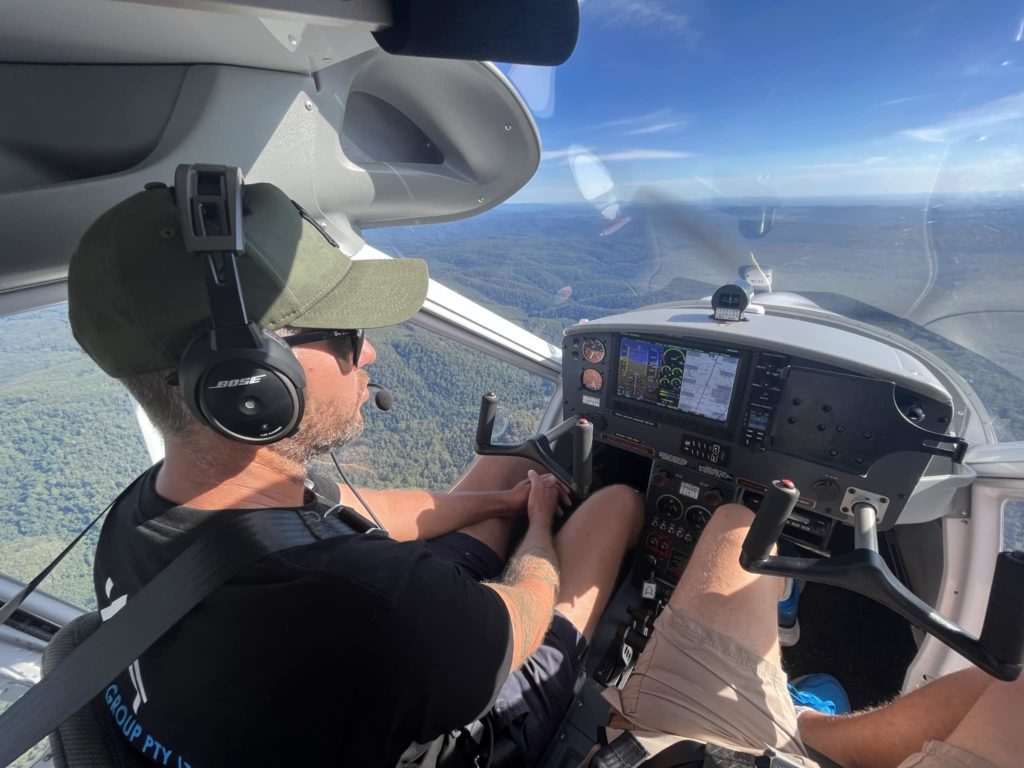
Undertake the required instructor training and learn how to transfer your flying knowledge to someone else.
Flight instructor training develops much more than flying ability. You’ll learn instructional techniques, communication skills, lesson preparation and how to safely guide students through their own flying journey.
04 — RAAus Flight Instructor
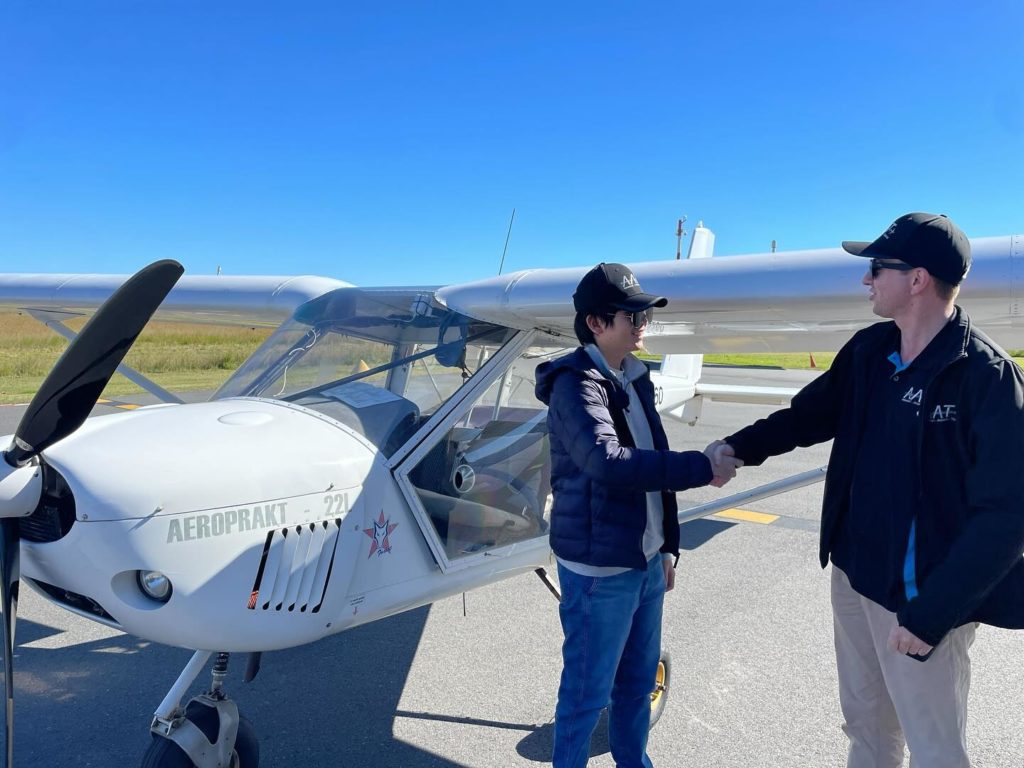
As an RAAus Flight Instructor, you’ll help introduce new people to recreational aviation and guide students as they work towards their own flying goals.
For some pilots, instructing becomes a rewarding long-term role. For others, it’s the beginning of a pathway into greater instructional responsibility.
05 — Progress Your Instructional Career
Senior Instructor
Build your instructional experience and take on greater responsibilities within a flight training environment.
Chief Flying Instructor
Progress into a leadership role overseeing flying training, instructional standards and operations within a flight training school.
Pilot Examiner
Experienced instructors may ultimately progress towards examining roles, helping maintain standards across the RAAus flying community.
Experience, training, eligibility and approval requirements apply at different stages of the pathway. Refer to the current RAAus Flight Operations Manual and supporting material for full requirements.
Aircraft Maintenance Pathway
Keep recreational aviation flying
Pilots aren’t the only people who keep recreational aviation moving. Behind every safe and serviceable aircraft are owners and maintainers who play an essential role in supporting the RAAus flying community.
Aircraft maintenance is an important part of recreational aviation, helping ensure aircraft remain safe, reliable and ready to fly. For aircraft owners, developing maintenance knowledge can also provide a greater understanding of their aircraft, its systems and the responsibilities that come with keeping it airworthy.
For people with an interest in how aircraft work, the RAAus maintenance pathway provides opportunities to build technical knowledge, practical skills and maintenance privileges as your experience develops.
From carrying out permitted maintenance on your own aircraft through to gaining higher-level maintenance privileges, there are opportunities to continue developing your capabilities and contribute more broadly to recreational aviation. Whether your interest begins with maintaining your own aircraft or develops into supporting other aircraft owners and operators, there is a pathway to take your skills further.
Your Maintenance Journey
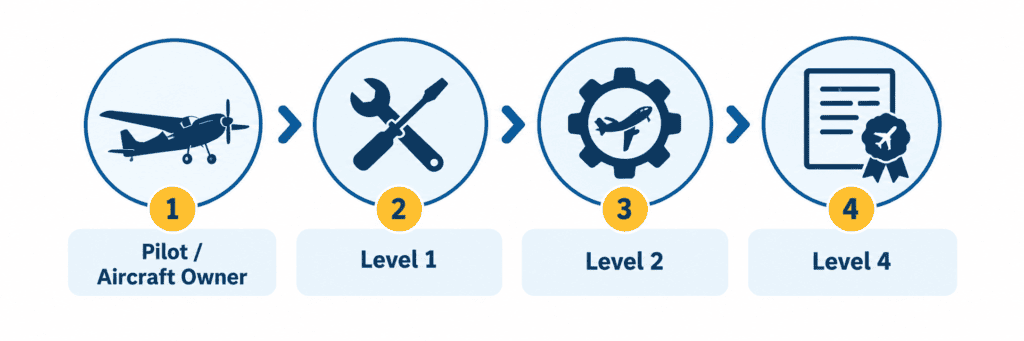
Level 1 —
Maintain Own Aircraft
A simple explanation of what an L1 maintainer is, who can obtain the privileges and the types of maintenance it enables them to undertake.
Level 2 —
Maintain RAAus Aircraft
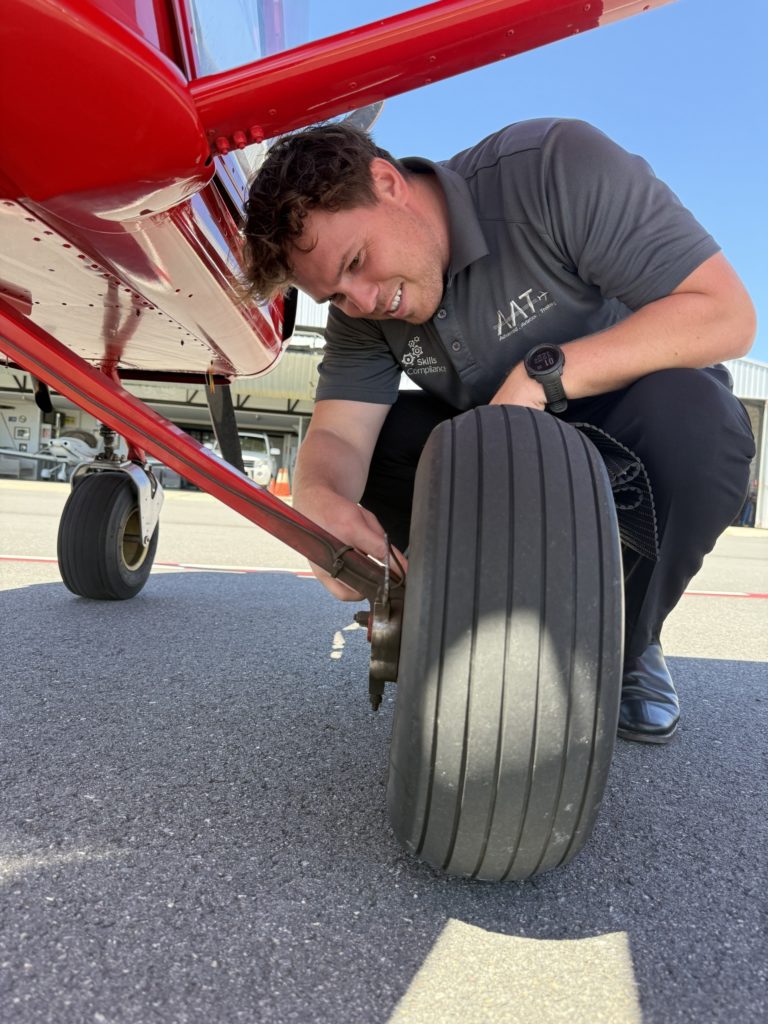
Explain how someone can progress into broader maintenance privileges and the role L2 maintainers play in supporting the RAAus aircraft fleet.
Level 4 —
Maintenance Authority
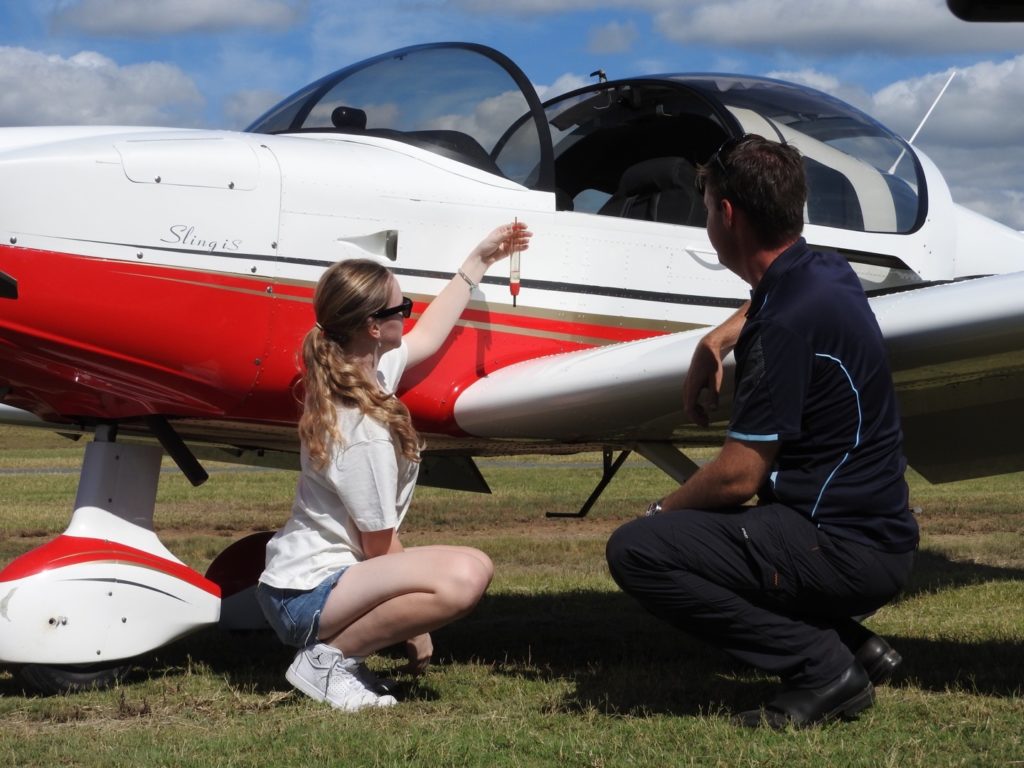
Explain the higher-level role and responsibilities associated with L4 privileges.
Real People. Real Aviation.
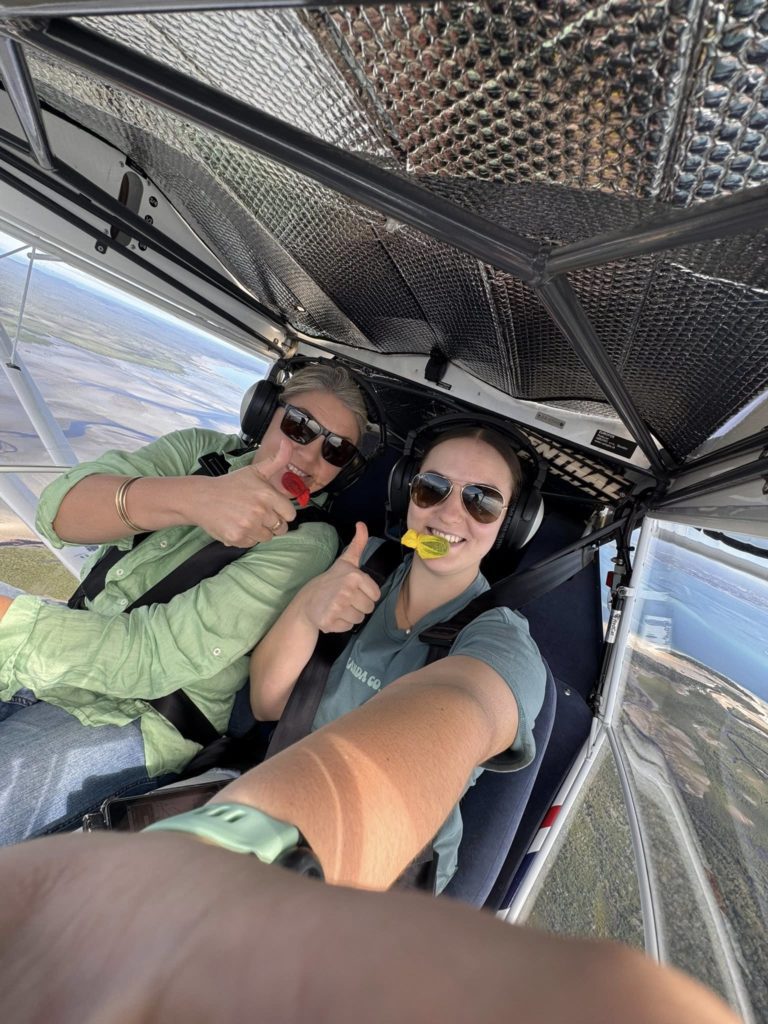
“I started because I wanted to learn to fly…”
Sophie’s aviation journey began with a simple goal — to learn to fly. After earning her Recreational Pilot Certificate, she continued building her flying experience, developing her skills and confidence while discovering a passion for helping others experience aviation for themselves.
That passion led Sophie to take the next step and become an RAAus Flight Instructor, giving her the opportunity to share her knowledge and guide new students through their own flying journeys. As her instructional experience grew, she progressed to Senior Instructor, taking on greater responsibility and helping support both students and fellow instructors.
Sophie continued developing her skills and leadership experience, ultimately progressing to Chief Flying Instructor. Her journey demonstrates where an RAAus Pilot Certificate can lead — from learning to fly for yourself to building the skills, experience and qualifications to lead and inspire the next generation of recreational pilots.
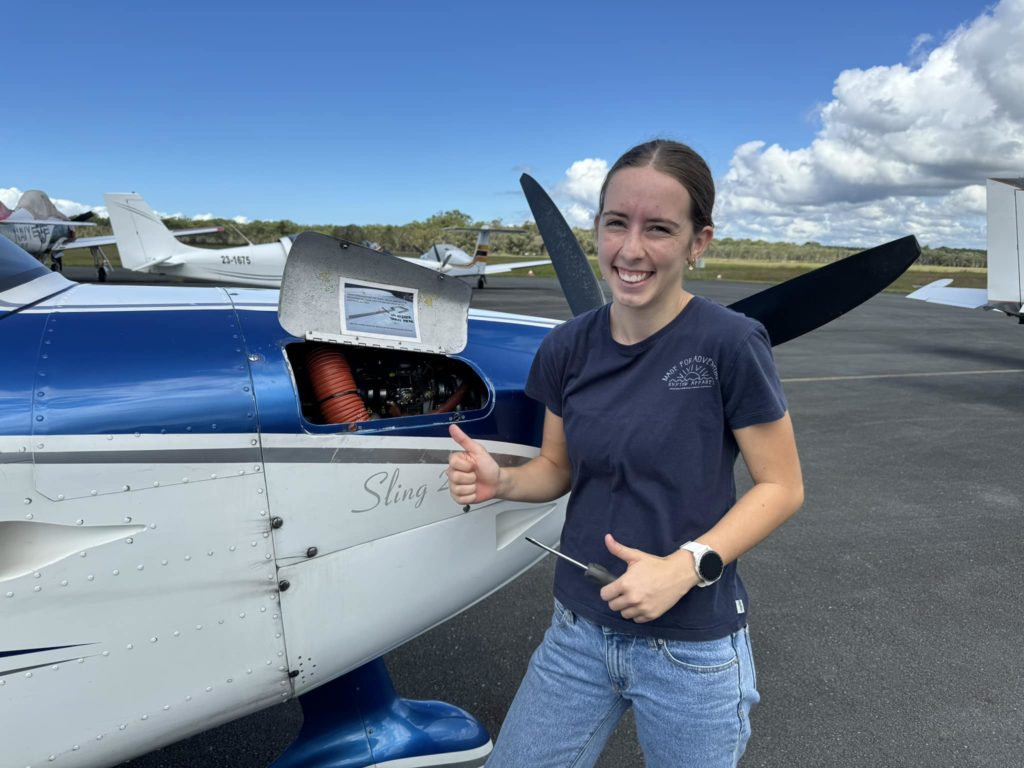
“Maintaining aircraft became as rewarding as flying them.”
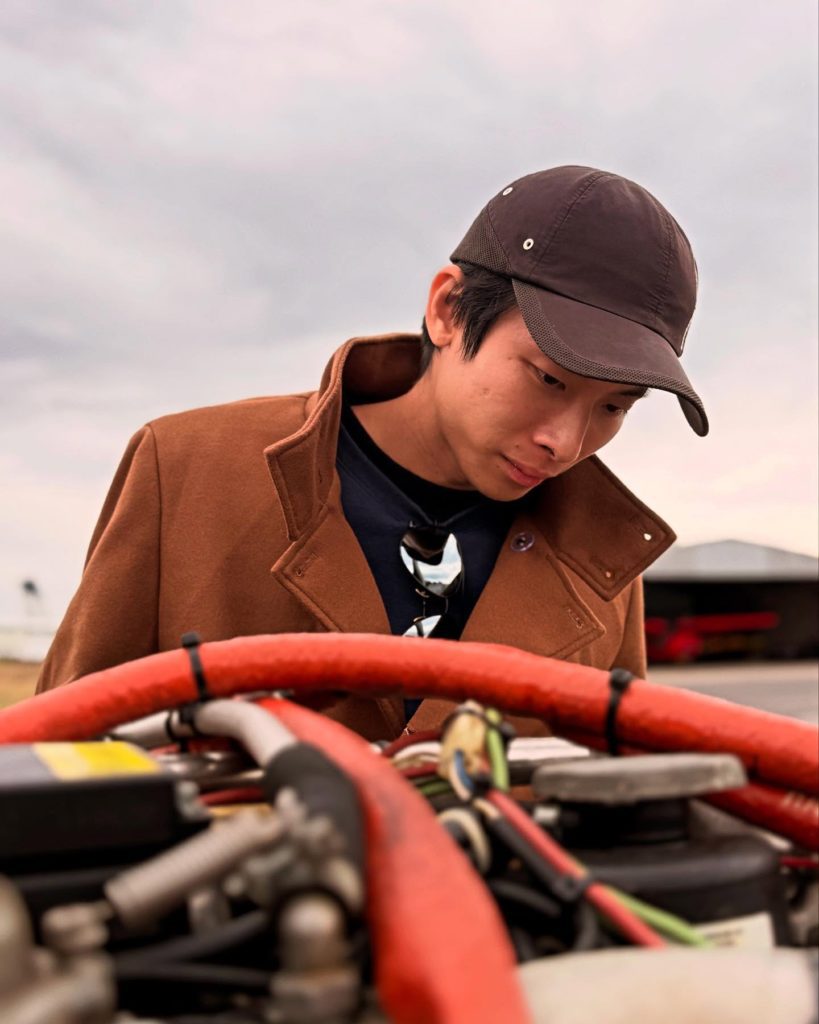
Mya’s interest in aviation grew beyond simply flying aircraft. As she gained experience as a pilot, she became increasingly interested in understanding how aircraft work, how they are maintained and what is required to keep them safe and serviceable.
That interest led her to develop her practical maintenance knowledge and progress through the RAAus maintenance pathway. With each step, Mya built greater technical understanding, hands-on experience and maintenance privileges, allowing her to take on more responsibility and contribute to keeping recreational aircraft safely in the air.
For Mya, aircraft maintenance became another rewarding way to be involved in aviation — combining practical skills with a passion for flying. Her journey shows that becoming an RAAus pilot can open more than one pathway, with opportunities to develop valuable maintenance skills and play an important role in supporting Australia’s recreational aviation community.
Ready to Take the Next Step?
Your aviation journey doesn’t have to end when you earn your Pilot Certificate.
Whether you want to teach the next generation of pilots, develop your instructional career or build your aircraft maintenance skills, RAAus can help you understand your next step.
Contact
"*" indicates required fields