Words by RAAus Pilot, Robert Matthews.
The ride to Temora Airport was only three kilometres. At fourteen years of age, it felt like the longest—and most important—journey of my life.
I wasn’t being driven by my parents. There wasn’t a family aeroplane waiting in a hangar, and there certainly wasn’t a long line of pilots on the family tree. I simply threw a leg over my pushbike and pedalled towards the airport, not really knowing what to expect. What I couldn’t have known was that the short ride across town would shape the rest of my life. Growing up in Temora, New South Wales, my childhood was a little unconventional. My grandparents took on the enormous responsibility of raising three energetic boys, providing us with stability, opportunity and unconditional support. Looking back now, I appreciate just how much they sacrificed to give us every chance in life.
Despite growing up in one of Australia’s most aviation-rich communities, aviation wasn’t in our family’s blood. My grandfather was a Designated Aviation Medical Examiner (DAME) for CASA, responsible for assessing pilots’ medical fitness, but nobody in our family actually flew. Yet living in Temora, it was almost impossible not to become fascinated by aviation.
The unmistakable sound of the Merlin engines regularly echoing across town. Aircraft from the Temora Aviation Museum painted the sky overhead, and every airshow transformed the airport into somewhere magical. Like so many local kids, I found myself constantly looking upwards whenever I heard an aircraft. My teachers probably noticed before anyone else. More than once I was caught staring out the classroom window, completely distracted by whatever was flying overhead.
Eventually curiosity got the better of me. At fourteen years old, I booked my very first flying lesson. There was no grand plan. No expectation that flying would become a career. I simply wanted to know what it felt like. I mentioned it to my grandfather before leaving home. To this day, I’m not convinced he believed I was actually going. Then I jumped on my bike and pedalled to the airport. The moment the aircraft lifted off the runway, everything changed. People often ask what I remember about that first flight. Surprisingly, it isn’t the aircraft itself or even where we flew. What I remember is the feeling. The peace. The complete focus.
For the first time in my life there were no distractions. School didn’t matter. Everything happening back on the ground simply disappeared. Flying demanded complete concentration, and in return it gave something incredibly rare—a chance to live entirely in the present. By the time we landed, I knew. I was hooked. Unfortunately, passion doesn’t pay flying bills. As a fourteen-year-old, my income wasn’t exactly enough to support regular flying lessons, so aviation became something I admired from the ground. Fortunately, there are few better places than Temora to do exactly that.
I never missed an airshow. It didn’t matter how many times I’d already watched a Spitfire or a Harvard perform. I’d still find myself standing along the fence with a sore neck by the end of the day. But it wasn’t just the aeroplanes that fascinated me. It was the people. The pilots, engineers and volunteers always seemed willing to answer questions from an enthusiastic young bloke who probably asked far too many. Looking back, I realise those conversations were shaping me long before I ever realised it.
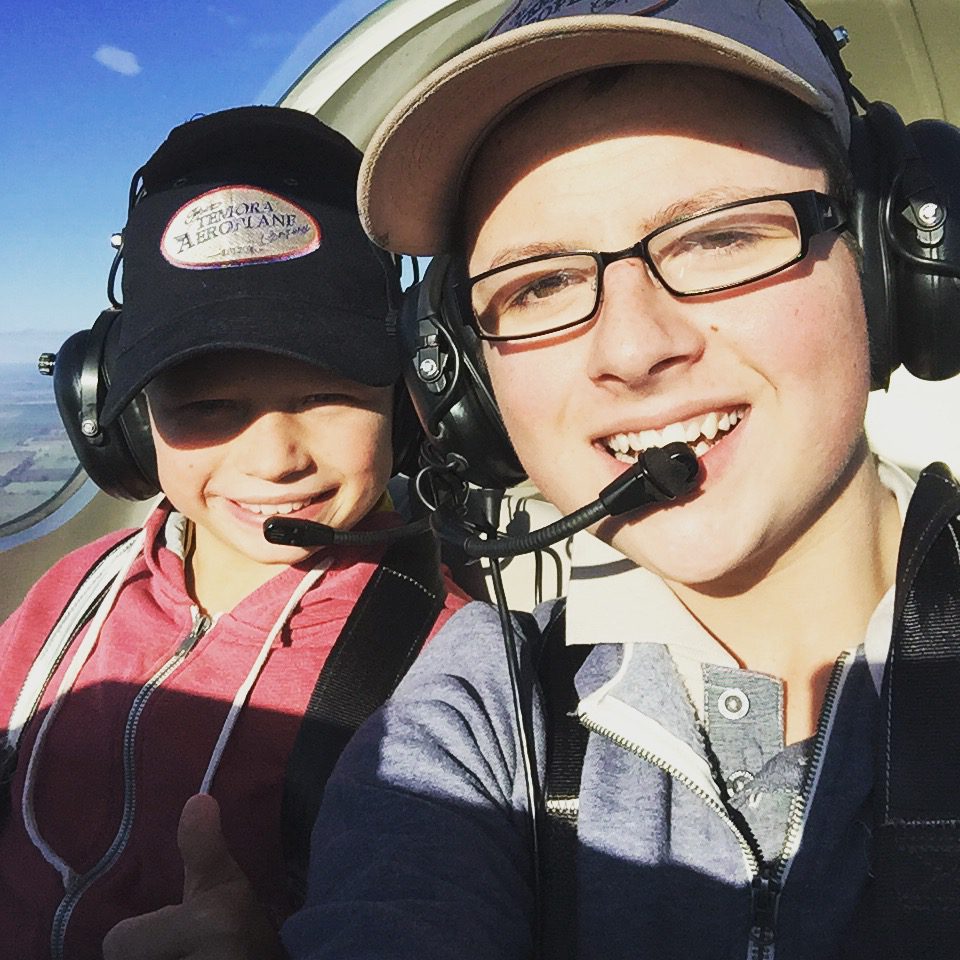
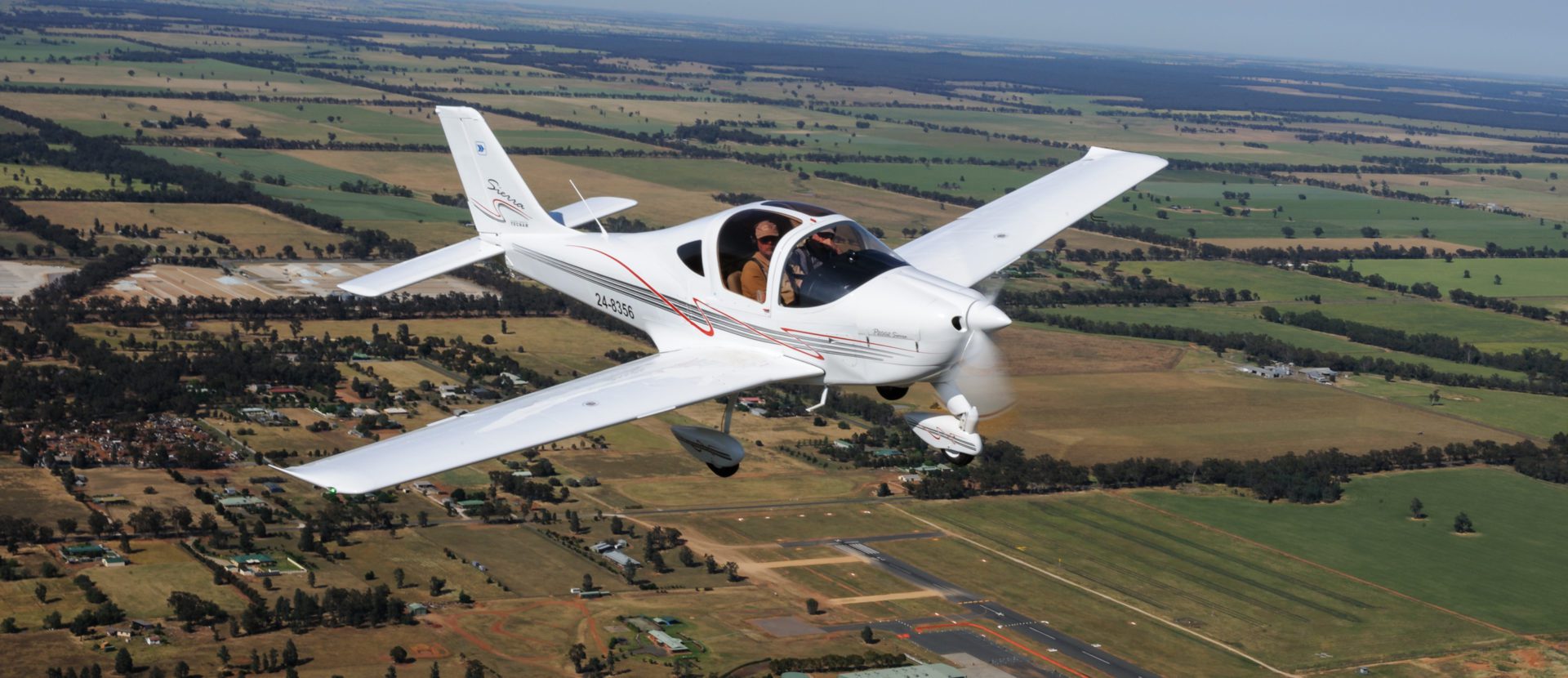
Three years later I found myself with a slightly better-paying job and enough money to begin flying again. I started training with Nick Wills in a Tecnam Sierra at the Temora Aeroplane Company, Looking back, I probably wasn’t the ideal student. I loved flying so much that I wanted to spend every possible minute in the cockpit
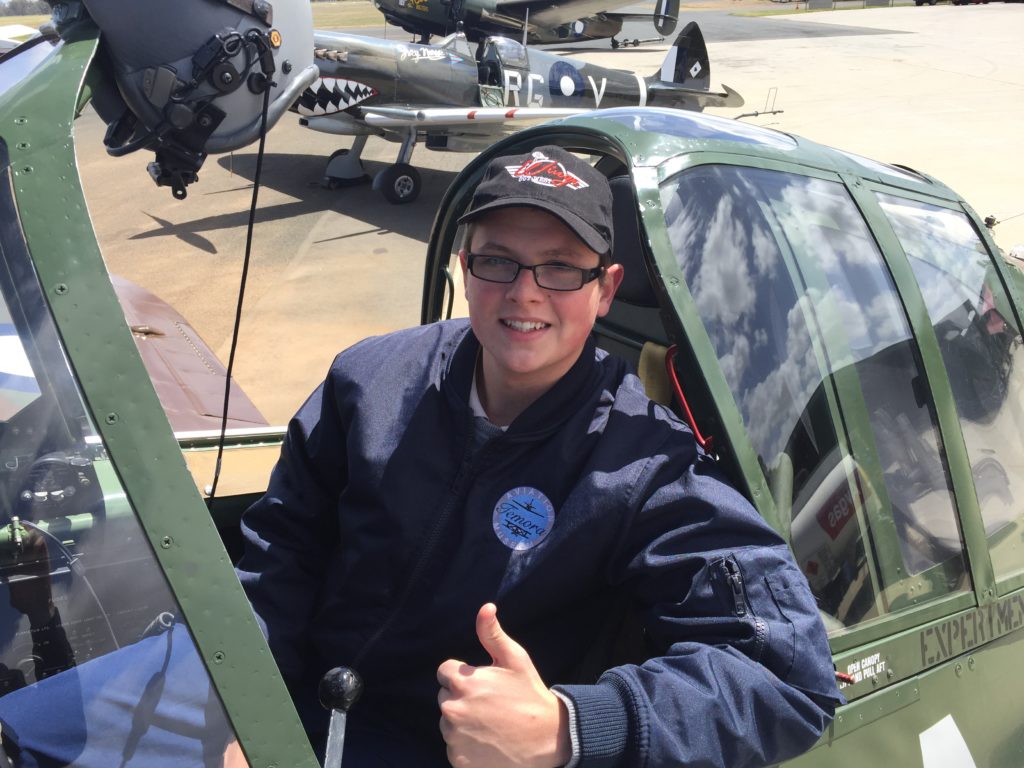
rather than studying theory. Air law, meteorology and aircraft systems all seemed like obstacles between me and the next lesson. Like every student pilot eventually discovers, the books are just as important as the flying. Thankfully, I had an instructor with endless patience. Nick didn’t just teach me how to fly an aeroplane. He taught judgement, discipline, humility and professionalism. The lessons I learned from him continue to influence every decision I make in aviation and life today.
Then came an email I’ll never forget on Wednesday, 4 May 2016. I had been awarded one of only forty-one Recreational Aviation Australia scholarships that year. For someone funding every lesson himself, it was more than financial assistance. It was belief. It was the aviation community saying, “We believe in you.”
Like many young pilots, I once imagined a professional flying career. Unfortunately, obtaining a Class 1 medical wasn’t going to happen. At first, that was disappointing. But over time I realised something important. Aviation is about far more than making a living. It’s about people. It’s about community. It’s about creating opportunities for others.
That realisation led me towards Temora Flyers Inc. Over the past twelve years I have been fortunate to serve the club in a variety of roles, eventually becoming Secretary. Throughout that time, I’ve watched it grow into an organisation dedicated not simply to flying, but to strengthening our community through aviation. Whether it’s fly-ins, charity events, educational programs or simply introducing someone to aviation for the very first time, every event has the same purpose—to make aviation welcoming and accessible.
Some of my greatest memories haven’t been from my own flying at all. They’ve come from watching someone else experience flight for the very first time. Over the years I’ve had the privilege of taking countless people flying. Some have been charity flights, while others were simply lifelong dreams finally coming true. Watching someone smile as the wheels leave the runway never gets old.
If there’s one thing aviation has taught me, it’s that the joy of sharing flight is every bit as rewarding as flying yourself. That philosophy eventually led to a dream I’d carried for years. Youth in Aviation. For a long time, I couldn’t stop asking myself one question. How do we inspire the next generation?
I often thought back to my own journey. The pilots who gave up their time to answer questions. The people who welcomed me into hangars. The people who encouraged a curious kid who simply loved aeroplanes. Without realising it, they had changed my life. I wanted to create that same opportunity for someone else. The vision was simple. Create an event where young people could experience aviation—not by standing behind a fence watching aircraft fly overhead, but by becoming part of it. An event where they could meet pilots, engineers, maintainers and everything in between. An event where they could ask questions, climb into aircraft and, most importantly, take their very first flight.
In 2025, that dream finally became reality. Youth in Aviation was no longer just an idea. It was happening.
What followed was months of planning involving an extraordinary team of volunteers, pilots, aircraft owners, sponsors and supporters who all believed in one simple idea—that inspiring young people was worth the effort. There were countless meetings, phone calls, risk assessments and logistics. There were moments where the workload seemed enormous. Then the gates opened. Families arrived. Children walked into the event with wide eyes. Pilots welcomed complete strangers as though they were lifelong friends. The atmosphere was everything I’d hoped it would be.
But nothing compared to watching each aircraft depart carrying a young person who had never flown before. One by one, they accelerated down the runway. One by one, another first flight. By the end of the day, 104 young people had experienced aviation from the air for the very first time. One hundred and four. It’s a number I’m incredibly proud of. Not because of the statistic itself, but because every one of those flights represented possibility.
Some of those young people may become airline pilots. Some may become aircraft engineers. Some may work in aerospace, air traffic control or emergency services. Others may simply develop a lifelong appreciation for aviation. The truth is, we don’t know. And that’s the exciting part. Because somewhere amongst those 104 first flights was another fourteen-year-old kid whose life may have changed forever.
Standing on the flight line as the final aircraft shut down that afternoon, I found myself thinking back to another young kid. One riding a pushbike to Temora Airport all those years ago. Back then I was the one standing outside the hangar, hoping someone would take the time to share aviation with me. Now I was one of the people helping open the gate for the next generation. Life has a remarkable way of coming full circle.
People often ask why I devote so much time to aviation. The answer has never really been about aeroplanes. It’s about people. It’s about community. It’s about ensuring that the same encouragement, generosity and opportunities that shaped my own journey continue for those who follow. Because aviation has given me far more than the ability to fly. It has given me lifelong friendships, unforgettable experiences and a purpose that extends far beyond the cockpit.
Sometimes I still hear an aircraft overhead and instinctively look to the sky. That part of me hasn’t changed since I was fourteen. The only difference is that today, when I look towards the sky, I also look towards the young people standing beside me.
After all, every pilot’s journey begins somewhere. Mine began with a pushbike, a country airport and one unforgettable flying lesson.
Perhaps someone else’s began at Youth in Aviation 2026.
I certainly hope so.