For many Australian pilots, the ability to continue flying the aircraft they built or have owned for years is more than just a privilege—it’s a passion. Unfortunately, regulatory limitations meant that for some pilots, returning to the cockpit simply wasn’t possible.
The introduction of the RAAus Group G category has changed that.
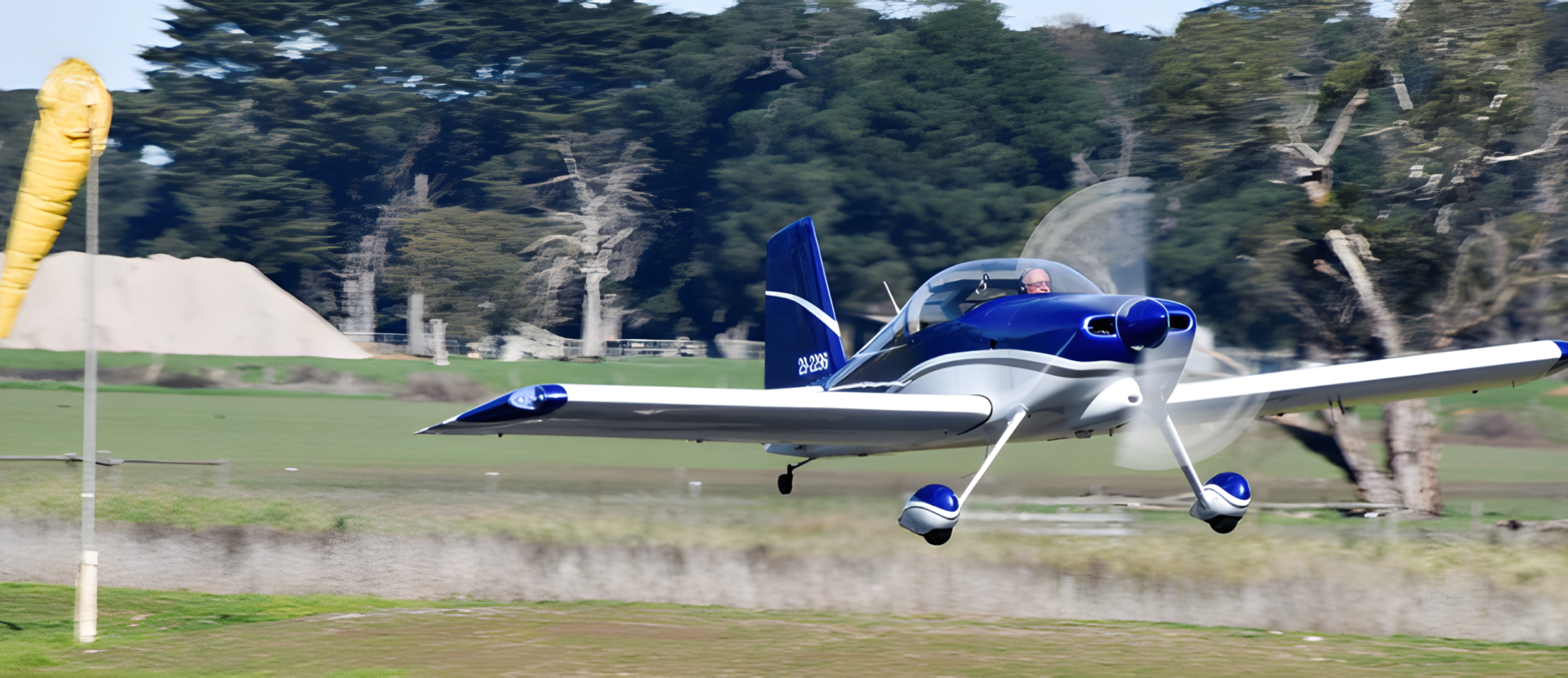
One RV-7 owner, who had been unable to return to flying under the previous regulatory pathway, has now been able to get back into the air thanks to the implementation of the Group G framework. By providing an alternative recreational aviation pathway for eligible aircraft up to 760 kg MTOW, Group G has removed barriers that previously prevented him from operating the aircraft he knows and loves.
His RV-7 is now operating within the RAAus system, allowing him to once again enjoy recreational flying while remaining compliant with the applicable operational and airworthiness requirements. The result is more than just a change in administration—it has given a pilot back the freedom to fly.
Stories like this highlight why the development of Group G is such a significant milestone for Australian recreational aviation. It expands opportunities for pilots, welcomes a broader range of aircraft into the RAAus community, and provides practical pathways that help keep experienced aviators doing what they enjoy most.
As more aircraft and pilots transition into Group G, RAAus continues to demonstrate its commitment to creating safe, practical and accessible aviation pathways for recreational pilots across Australia. Since CASA’s approval of the expanded Part 149 privileges, Group G has opened the door for aircraft in the 601–760 kg category, including amateur-built aircraft such as the RV-7, to be administered within the RAAus framework where eligible.